Transform Your Space: Innovative Ways to Incorporate Sliding Door Solutions in Contemporary Interior Design
Sliding doors have risen to prominence as a versatile yet sophisticated selection in modern interior design. They deliver adaptability in space management, enabling homeowners to establish separate zones without sacrificing openness. Their varied styles and finishes can enhance any decor. However, the potential applications of sliding doors go beyond mere aesthetics. Learning how to strategically use them could redefine a home's practical layout. What inventive possibilities might one explore?
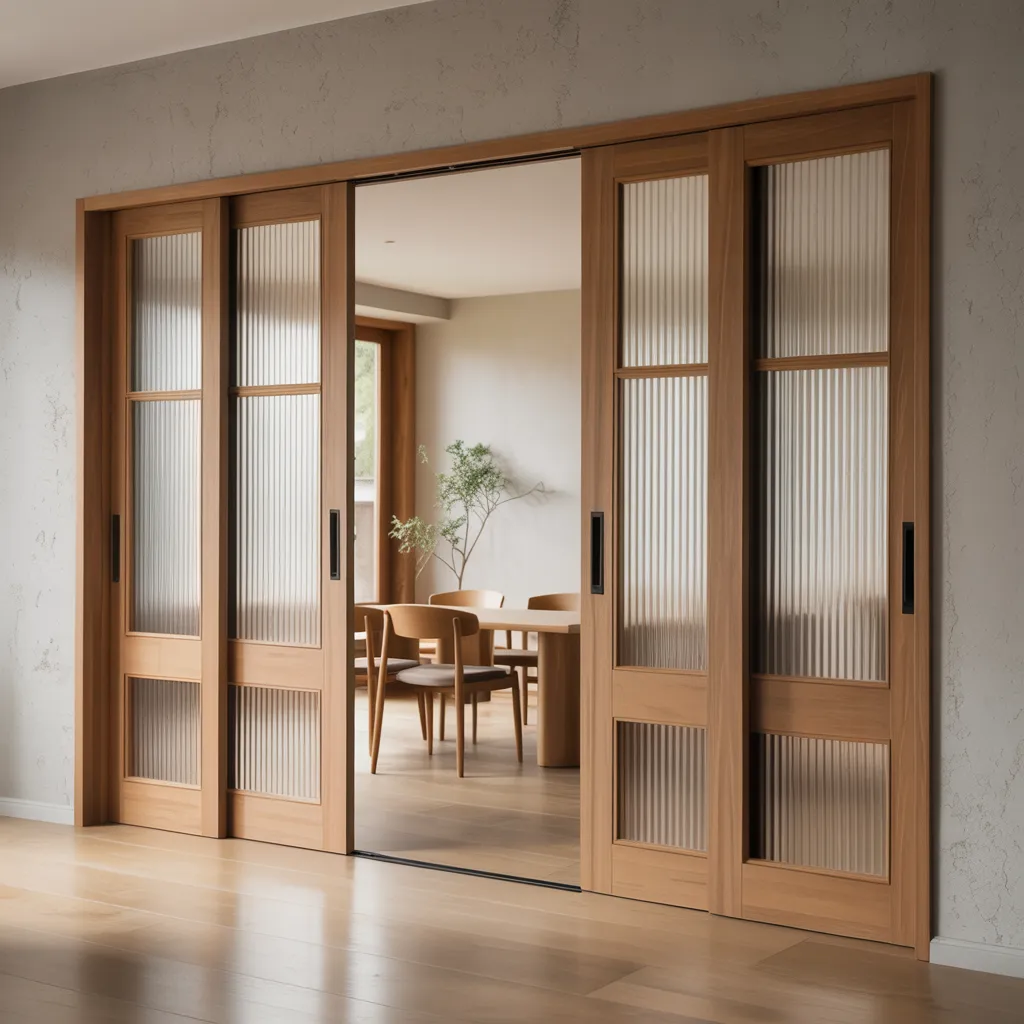
Finding the Best Sliding Door Style for Your Home
When picking out a sliding door style for a home, homeowners should consider both functionality and aesthetics. The selection of material carries significant weight; options such as wood, glass, or metal can considerably affect the overall look and feel of a space. For a modern aesthetic, minimalist glass doors may offer a sophisticated element, while wooden doors can bring warmth and a classic appeal.
Moreover, the door's configuration is crucial. Single-panel, double-panel, or pocket sliding doors each offer distinct advantages, depending on the layout and size of the room. It is also important for homeowners to evaluate the finish and color of the door, ensuring it complements existing décor while providing a cohesive design.
Finally, energy efficiency plays a vital role; opting for insulated choices can aid in sustaining pleasant indoor temperatures. By combining aesthetics with functional requirements, homeowners can elevate their home environments through the proper sliding door selection.
How to Enhance Natural Light Using Sliding Doors
Maximizing natural light with sliding doors can transform a space, producing a welcoming and open environment. To achieve this effect, homeowners should consider installing large glass sliding doors that allow ample sunlight to flood in. Opting for frameless designs can further enhance this openness, minimizing barriers to light flow.
Installing sliding doors deliberately, such as facing a garden or patio, maximizes the connection between interior and exterior living areas. Furthermore, integrating light-reflecting elements, like decorative mirrors or pale furniture, can enhance the illumination introduced through the doors.
Opting for translucent or semi-transparent curtains can maintain privacy while still allowing sunlight to penetrate. Additionally, picking sliding doors that extend fully eliminates obstructions, thereby maximizing the visual and physical space. By carefully considering design elements and placement, sliding doors can act as an elegant channel for natural light, enriching the overall ambiance of any interior.
Perks of Using Sliding Doors as Room Dividers
Sliding doors serve as effective room dividers, maximizing space in various interior layouts. They allow for flexible configurations while keeping an airy ambiance, enhancing the overall flow of a room. Furthermore, these doors improve natural light distribution, creating a brighter and more inviting environment.
Space Optimization Perks
Using sliding doors as room dividers transforms spaces by enhancing both functionality and aesthetics. These doors offer a flexible solution for maximizing space, allowing areas to be rearranged easily according to requirements. Unlike traditional doors, sliding doors do not need swing space, making them perfect for smaller rooms where every inch matters. This feature allows more efficient use of available floor space, supporting furniture arrangements that might otherwise be problematic. Additionally, sliding doors can establish distinct zones within open-concept areas, offering privacy when needed while retaining an airy feel. Their adaptability allows seamless movement between spaces, adding to a more structured and efficient environment, ultimately enhancing the overall living experience.
Boosted Natural Illumination
Natural light is a key factor in improving the atmosphere of indoor areas, and sliding doors provide an excellent way to maximize this feature. When utilizing sliding doors as interior partitions, homeowners can create a seamless flow of light between areas, decreasing dependence on man-made light sources. These doors, often constructed from glass, allow sunlight to penetrate deeper into the home, illuminating even the darkest areas. Furthermore, they provide versatility in design; upon opening, they produce an open ambiance, allowing areas to seem more expansive and airy. This versatility not only enhances natural light but also fosters a connection with the outdoors, welcoming the exterior landscape into the home. In the end, sliding doors have the power to redefine how light functions within a residence.
Sliding Doors for Increased Privacy
As many homeowners look for openness in their home spaces, incorporating sliding doors can greatly enhance privacy without sacrificing style. These versatile features allow for the creation of secluded areas within an otherwise open floor plan. To illustrate, sliding doors can successfully isolate a home office from the central living area, creating a tranquil haven for work or study.
Furthermore, patterned or frosted glass choices can provide a degree of privacy while still enabling light to pass through freely. This balance between seclusion and brightness is especially valuable in urban spaces, where visual and auditory disturbances are common. Moreover, sliding doors serve well to disguise storage areas or utility rooms, preserving a clean and organized look throughout the home. By thoughtfully integrating sliding doors, residents can appreciate the combined benefits of privacy and refined aesthetics, designing practical and inviting spaces that respond to their requirements.
Unique Places to Install Sliding Doors in Your Home
Sliding doors can be carefully installed in various locations throughout a home to boost both usability and aesthetic value. In open-concept spaces, they act as smooth partitions, allowing for flexible room configurations while keeping the space feeling expansive. Fitting sliding doors between the sitting room and dining room can enable convenient reconfigurations during entertaining.
For bedrooms, sliding doors are able to provide access to closets or en-suite bathrooms, maximizing space and minimizing clutter. They can also lead to outdoor patios, seamlessly connecting indoor and outdoor living.
Moreover, they can be integrated into home offices, offering privacy when required, yet easily retracting to support collaboration. As a final point, installing sliding doors in hallways can provide sophisticated storage solutions or reading nooks. All of these areas elevates both the functionality and aesthetic appeal of a home, demonstrating the versatility of sliding door configurations.
Maintenance Tips for Long-Lasting Sliding Doors
To keep sliding doors remain functional and aesthetically pleasing, routine upkeep is necessary. Maintaining a steady cleaning regimen helps prevent the buildup of dirt and debris, while periodic inspections of the rollers allow for early detection of concerns before they become serious. Following these steps promotes the durability and efficient performance of sliding doors across a variety of settings.
Scheduled Cleaning Routine
A regular cleaning schedule is vital for sustaining the functionality and aesthetics of sliding glass doors. Routine dusting keeps dirt from collecting, which can result in surface damage and compromise appearance. Using a soft cloth and mild detergent, one should wipe down the glass surfaces and frame on a weekly basis to ensure a spotless look. Furthermore, the tracks require careful attention, as buildup can hinder smooth operation; a vacuum or brush can effectively clear this area. It is equally important to look for traces of dampness or mildew, especially in humid environments, and address them promptly. By following this maintenance schedule, residents can maximize the durability of their sliding doors while upholding their refined appearance and usefulness.
Inspect Rollers Periodically
Routinely examining the rollers of sliding doors is vital for maintaining proper functionality and durability. These components are fundamental for the door's operation, and any wear or damage can lead to functional complications. It is recommended to look for debris, dirt, or rust that may impede functionality. Additionally, examining the positioning of the rollers can avoid additional issues, such as displacement or obstruction. If any problems are discovered, replacing the rollers promptly can save time and money in future repairs. Lubricating the rollers with appropriate products can also enhance their performance and extend their lifespan. By including this straightforward upkeep practice, homeowners can enjoy the aesthetic and functional benefits of sliding doors for years to come.

Common Questions and Answers
Can Sliding Doors Be Used in Small Spaces Effectively?
Sliding doors can be effectively used in small spaces, as they need no swing clearance, making the most of the further information floor area. Their adaptable nature enables creative partitioning and enhanced natural light, contributing to an open and airy atmosphere.
What Materials Are Best for Sliding Doors?
Glass, wood, and metal serve as excellent materials for sliding doors, with each one delivering unique design qualities and functional advantages. Wood provides warmth, glass promotes better light distribution, and metal introduces long-lasting durability, suiting diverse aesthetic preferences and varying space demands.
How Do Sliding Doors Impact Home Resale Value?
Sliding doors may greatly improve home resale value by improving visual appeal, maximizing space utilization, and boosting natural light. Buyers often appreciate modern features, rendering homes with sliding doors more attractive in competitive real estate markets.
Are Sliding Doors an Energy-Efficient Option?
Sliding doors can be highly energy-efficient when they are correctly installed and insulated. The expansive glass panels allow natural light to enter, but premium materials and proper seals are vital to limit heat transfer, boosting the total energy performance within a home.
Is It Possible to Install Sliding Doors on My Own?
Yes, you can install sliding doors independently, as long as you have basic carpentry skills and the right tools. That said, adhering to the manufacturer's instructions and ensuring proper measurements remains important for an effective installation and ideal functionality.